Dental insurance can feel like a mystery. Lots of people have it, but they likely don't know how it works. This primer makes it less mysterious, sampling the basics: what's in, what's out, and what to do about it to ensure people follow the right paths. Let's dive in.
The Ins And Outs Of Dental Insurance
Dental insurance assists in paying for the care of your mouth and teeth. Employers often make it available, and people can also buy plans. Consider it a supplement for your teeth – check-ups, cleanings and treatments. The plans will vary but, for the most part, fall into categories like Dental PPO, HMO or EPO. Under these plans, they partner with dentists, and you will receive a discount on the dental procedures that you have performed.

PPO plans let you go to any dentist but usually offer larger discounts if you use an in-network one. With HMOs, you are forced to choose a dentist from their list. EPOs are between the two: In-network care is provided at a discounted rate, while you may be asked to pay the full cost if you go out of network. No two plans are the same, so words and particulars can make a difference.
Typical Coverage for Dental Plans
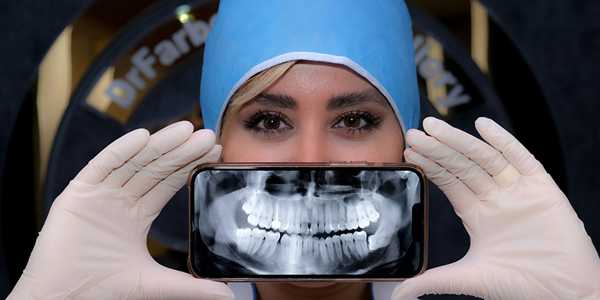
The vast majority of plans categorize care into three buckets: preventive, basic, and major. Preventive care is often covered 100 per cent. That covers cleanings, exams, and X-rays. Insurers love this: It is more cost-effective to tackle problems early.
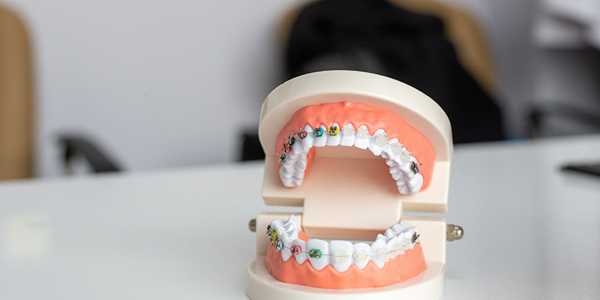
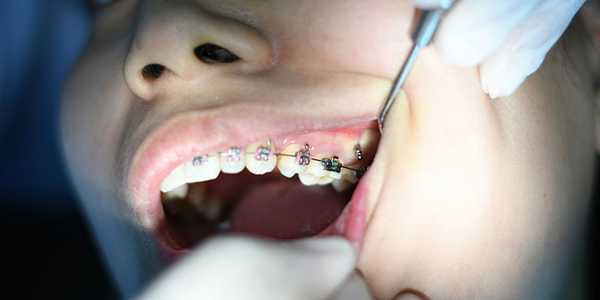
It covers things like fillings, root canals and extractions. The plans usually cover these costs by 70% to 80%. These things are categorized under primary care, including crowns, bridges, and dentures. Here, the coverage drops to 50% or less. Orthodontics, like braces, can be covered for children but rarely for adults. If it's part of a plan, it's often only up to a lifetime cap.
Types of Services That Are Often Excluded
Cosmetic procedures are on the list of what's not covered. Teeth whitening, veneers , or reshaping for cosmetic reasons are not medically necessary, and insurance won't pay. Some plans also don't cover orthodontics for adults unless it's to fix a jaw malfunction.
There can be a waiting period for pre-existing conditions (like a cavity that you had before you were covered) of a year. It also doesn't include experimental treatments or high-end materials (like gold fillings). Don't be caught off guard when you read the fine print of your plan.
How Dental Insurance Works
Plans have key terms — premiums, deductibles, copays, and annual maximums. Whether you visit the dentist or not, the monthly fee you pay is your premium. Deductibles are the amount you pay out of your pocket until coverage kicks in. Copays are a flat fee for each visit. Annual maximums cap how much the plan will pay in a year.
Waiting periods are common. For example, one plan may have a waiting period of six months for coverage of a filling or a year for coverage of a crown. That can be frustrating when you are desperate for care. Waiting periods are something to double-check whenever you choose a policy.

Choosing the Right Dental Insurance For You
So, let's start by assessing what is expected of you. Are you going to have a kid with braces? Pick a plan that includes orthodontic benefits. Are you prone to cavities? Look for a broader base of basic care coverage. Shop prices: A low premium may be hiding high deductibles.
Check the dentist network. If you already have a dentist you're happy with, check what plans they accept. If flexibility is your priority, you have more options with a PPO. Check reviews and ask friends for recommendations.
How to Select the Dental Coverage Plan That Is Best for You
Schedule cleanings twice a year. Preventative care is free, so you waste time and money if you don’t go. Keep up with deadlines — some rewards expire at year’s end. If you’ve hit the limit of your annual allotment, delay nonessential procedures until January.
Retention of claims and payment records. Keep records of claims and payments. Disputes may happen, and documentation helps.
Maximizing Dental Insurance
Dental insurance is not one-size-fits-all. It's a tool to help keep your grin going at a happy face discount. Understanding plan rules, exclusions and how coverage is offered can support your decisions. Emphasize preventive care, shop, and stay in the know. Good dental health starts with a solid understanding of utilizing your benefits.